TL;DR
- Hydrophobic glass coatings repel water but do not eliminate the need for professional cleaning.
- Most consumer-grade coatings last 3 to 6 months before they degrade and stop performing.
- Professional-grade coatings applied correctly can extend cleaning intervals by 30 to 50 percent.
- The coating is only as good as the glass surface it goes onto: contaminated glass wastes every product.
- For most Vienna homes, a good cleaning routine beats an average coating every time.
I have been cleaning glass for 25 years. In that time I have seen hydrophobic coatings go from a niche curiosity to a marketing staple. Every hardware store now sells a spray bottle with a lotus-flower logo and a promise that water will bead off your windows like rain off a car bonnet. Some of my clients spend more on coating products in a year than they spend on professional cleaning. Most of them are disappointed. Not because coatings do not work, but because no one told them the full story before they bought.
This article is that story. I am not selling a coating. I am not affiliated with any product brand. What I am giving you is the honest, unvarnished opinion of someone who has cleaned every type of glass in two countries across more than 200 jobs a year, and who has seen what these coatings actually do to a window over time.
What Hydrophobic Glass Coatings Actually Do
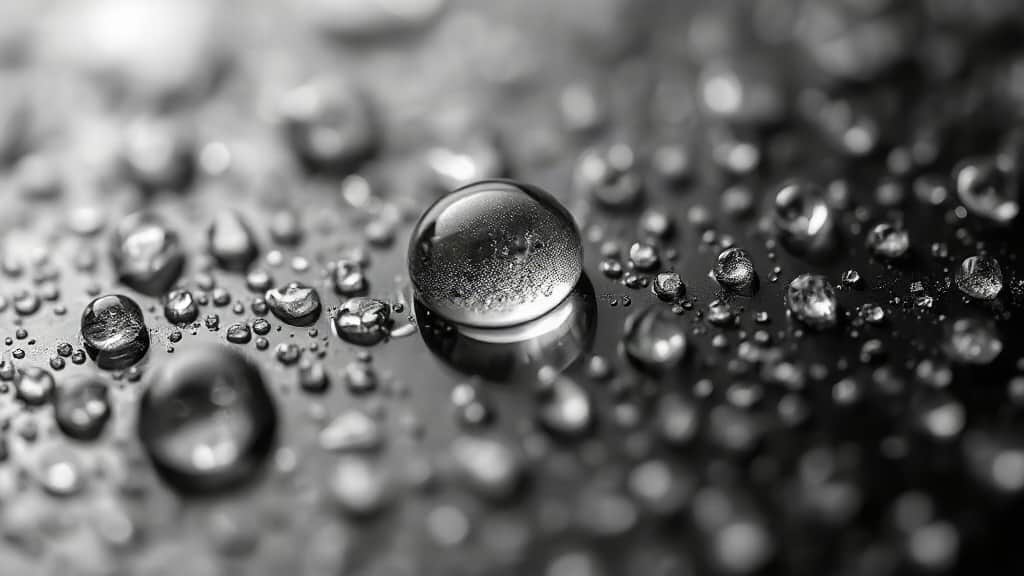
A hydrophobic glass coating works by chemically bonding a thin, water-repelling layer to the surface of the glass. The science is real. Silicon dioxide compounds, often called nano-coatings or SiO2 coatings, fill the microscopic pores in glass and create a surface that water cannot grip. Instead of spreading into a film, water forms droplets and rolls off, taking light dust and loose contamination with it.
The effect is visible and, when done correctly, genuinely impressive. Rain does less damage. Mineral deposits from hard water have fewer opportunities to bond. The glass looks cleaner for longer between washes. These are not fabricated claims. They are real outcomes of a real chemical process.
The problem is not the technology. The problem is the gap between what the technology can do under ideal conditions and what most people experience when they apply a product from a spray bottle to a window they half-cleaned on a Sunday afternoon.
Why Most People Are Disappointed with Their Coating
The number one reason coatings underperform is surface preparation. A hydrophobic coating does not sit on top of the glass. It bonds to it. If the glass carries invisible contamination, hard water mineral deposits, silicone residue from old sealants, or even microscopic soap film from a previous cleaning product, the coating bonds to that contamination instead of the glass. The result is a coating with no structural adhesion. It wears off in weeks, not months.
I have re-cleaned windows that clients coated themselves. In nearly every case, the glass underneath was not actually clean before the coating went on. The surface looked clean to the eye. But glass cleanliness for coating purposes is not the same as glass cleanliness for aesthetics. You need a chemically clean surface, free of mineral scale, silicone, and organic residue. That requires specific preparation products and, in many cases, a clay bar treatment or mild acid wash depending on what you are dealing with.
The second issue is product quality. Consumer-grade hydrophobic sprays are not the same as professional-grade SiO2 coatings. The concentration of active compounds is lower. The bonding agents are weaker. The durability is shorter. Some products I have tested lasted fewer than eight weeks on south-facing windows exposed to Vienna's summer sun. That is not a worthless product, but it is also not what the packaging implies when it says "long-lasting protection."
The third issue is application technique. Professional coatings require a specific application environment: temperature, humidity, and application method all matter. Apply in direct sunlight and the product flashes before it bonds. Apply over a wet surface and dilution ruins the concentration. Apply too much and you get streaking that is harder to remove than the original contamination. These are not edge cases. They are common outcomes when the instructions are followed loosely.
Does the Glass Type Change the Answer?
Yes, and significantly. This is where the conversation gets specific, and where most consumer information falls short.
Standard float glass is the most receptive surface for hydrophobic coatings. The pore structure accepts the SiO2 compounds well, and with proper preparation, you can achieve durable results. Tempered glass behaves similarly. These are the windows where a well-applied professional coating genuinely extends cleaning intervals.
Coated glass is a different matter entirely. Low-E glass, solar-control glass, and self-cleaning glass already have factory-applied surface treatments. Adding a consumer hydrophobic product to these surfaces can interfere with the original coating, create optical distortion, or in some cases void the manufacturer warranty. I have seen this happen. The client bought expensive solar-control glazing, applied a hydrophobic spray on top, and ended up with a milky haze that required professional remediation. The coating came off. The haze did not.
If you are unsure what type of glass you have, do not apply any aftermarket coating until you know. Understanding what type of glass you are working with is not optional. It is the starting point for every decision about care, cleaning, and protection.
Historic glass, found in many Vienna Altbau properties, is another category where I advise caution. Old cylinder glass and early float glass have surface irregularities that interact unpredictably with modern coating chemistry. The results are inconsistent, and remediation on historic frames is costly.
What 25 Years of Cleaning Glass Has Taught Me About Coatings
I have cleaned windows at Sky-Frame installations, Swarovski facilities, and residential properties across Vienna's premium districts, from Hietzing to Döbling to Währing. In that time I have seen coatings applied well and applied badly. I have seen them extend cleaning intervals meaningfully on the right glass in the right conditions. I have also seen them create problems that did not exist before the product was opened.
My honest view: a professional-grade hydrophobic coating, applied to properly prepared glass by someone who knows what they are doing, is a legitimate tool. It is not magic. It does not replace cleaning. But it does reduce the frequency of heavy cleaning on exposed surfaces, particularly on large-format glazing, skylights, and south or west-facing facades that take the full force of Austrian weather.
On a well-maintained Einfamilienhaus with standard float glass, a professional coating applied after a thorough clean can realistically extend my return visit interval. Instead of coming every six weeks, I might come every ten. That is real value, and it compounds over a year.
What does not work is the spray-and-forget approach. No coating removes the need for periodic professional cleaning. Organic material, pollen, bird droppings, and pollution particulates accumulate regardless of the surface treatment. They sit on top of the coating and eventually degrade it. The coating slows the accumulation. It does not stop it.
I also want to be direct about something the coating industry rarely says: the single biggest factor in how clean your windows stay is not the surface treatment. It is the quality of the last clean. Glass that is genuinely clean at the microscopic level, stripped of mineral scale, free of detergent residue, dried without streaks, stays cleaner longer than coated glass that was not properly prepared. Hard water mineral deposits are the enemy of both clean glass and coating adhesion. Deal with those first, and you will see more improvement than any spray bottle can deliver.
When I Would Recommend a Hydrophobic Coating
There are specific situations where I actively recommend a professional coating as part of a service. Skylights and glass roofs are at the top of that list. These surfaces accumulate organic debris, lichen spores, and mineral deposits from standing water faster than vertical glazing. A properly applied hydrophobic layer significantly reduces how quickly organic matter bonds to the surface, which matters because cleaning a glass roof is not a weekend task. It requires equipment, access, and technique. Anything that extends the interval between professional visits has real economic value here.
Large glass facades on modern Viennese properties are another strong use case. The sheer surface area means that even a modest improvement in contamination resistance translates to meaningful time and cost savings over a year. I have clients in the 19th district with floor-to-ceiling glazing across three levels. For them, a professional coating is not optional, it is part of the maintenance plan.
Glass railings and balustrades are worth mentioning separately. These surfaces take fingerprints, salt from skin contact, and splashing from rain at low angles. A good coating on a glass railing makes the difference between a surface that looks good between visits and one that needs wiping every few days. If you are considering glass railings, factoring in the long-term maintenance plan, including whether a coating makes sense, is a conversation worth having before installation.
For standard residential windows cleaned on a regular schedule, my recommendation is more measured. If you are already on a professional cleaning routine every six to eight weeks, the incremental benefit of a coating may not justify the cost. If you are trying to reduce visit frequency, or if your property faces high environmental exposure, a coating is worth discussing.
How to Get the Most from Any Coating
The preparation phase is everything. Before any coating goes on, the glass needs to be cleaned to a standard most people do not achieve with domestic products. That means removing all mineral scale with an appropriate acid-based or citric-based descaler, followed by a thorough rinse and inspection under raking light to confirm the surface is genuinely clean. Then a final wipe with isopropyl alcohol to remove any residual oils or detergent traces. Only then does a coating have a surface worth bonding to.
Application should happen in shade, at temperatures between 10 and 25 degrees Celsius, with no wind. The product is applied in thin, even passes and buffed before it fully cures. Overlapping strokes prevent streaking. Curing time varies by product but is typically 24 to 48 hours, during which the glass should not get wet.
After that, maintenance cleaning should use pH-neutral products only. Alkaline cleaners, which most generic glass sprays are, will gradually strip the coating. If you are investing in a professional hydrophobic treatment, the aftercare products matter as much as the application itself.
I apply coatings as part of a service when the client's glass and situation genuinely benefit from it. I do not apply them as an upsell on every job. That distinction matters to me, and it is part of why my repeat-client rate sits at 95 percent. Clients who feel they were guided honestly come back. Clients who feel they were sold something they did not need do not.
If you want to understand more about what professional cleaning actually involves and what separates it from a DIY approach, there is a longer piece here that covers exactly that question.
The Honest Bottom Line on Hydrophobic Glass Coatings
Hydrophobic glass coatings are a real technology with genuine benefits in the right context. They are not a replacement for professional cleaning, and they are not a product most people apply correctly without guidance. The consumer market is full of products that promise more than they reliably deliver, and the gap between a good professional coating and an average consumer spray is larger than most buyers realise.
My recommendation: if coatings interest you, start the conversation with whoever cleans your glass professionally. A good technician will tell you whether your specific glass type, orientation, and maintenance schedule make a coating worthwhile. If the answer is yes, have it applied as part of a professional service on properly prepared glass. If the answer is no, trust that answer. Not every property needs one.
What every property does need is clean glass, properly maintained, by someone who understands what they are looking at. That part is not optional, with or without a coating.
Ready to Talk About Your Windows?
If you are considering a hydrophobic coating, or simply want to know what your glass actually needs, I am happy to take a look. Every quote starts with a conversation about what you have and what makes sense for your property. No pressure, no upsells. Just an honest assessment from someone who has been doing this for 25 years.
Schreiben Sie mir, and I will get back to you within one working day.
It's your view, not just a window.
Frequently Asked Questions
Do hydrophobic glass coatings really work, or is it marketing?
Hydrophobic glass coatings do work, but the results depend almost entirely on surface preparation and product quality. Professional-grade coatings applied to properly cleaned glass deliver measurable improvements in water repellency and contamination resistance. Consumer sprays applied to improperly prepared glass deliver much less than the packaging suggests.
How long does a hydrophobic coating last on windows?
A professional-grade hydrophobic coating applied correctly typically lasts 12 to 24 months on vertical glazing with proper aftercare. Consumer-grade products on the same surface usually last 3 to 6 months before performance degrades noticeably. Exposure to alkaline cleaning products and direct UV significantly accelerates degradation in both cases.
Can I apply a hydrophobic coating to any type of glass?
No. Hydrophobic coatings should not be applied to glass that already carries factory surface treatments, such as low-E glass, solar-control glass, or self-cleaning glass, without manufacturer guidance. Applying an aftermarket coating to these surfaces can cause optical distortion or void the glass warranty. Always confirm your glass type before applying any coating product.
Does a hydrophobic coating mean I need professional cleaning less often?
A well-applied hydrophobic coating on the right glass can realistically extend professional cleaning intervals by 30 to 50 percent. It does not eliminate the need for cleaning. Organic material, pollen, and pollution still accumulate on the coating surface and must be removed periodically. The coating slows contamination buildup; it does not stop it.
What should I do before applying a hydrophobic coating?
The glass must be professionally cleaned to a chemically clean standard, free of mineral scale, silicone residue, and detergent film. This typically requires a descaling treatment followed by an isopropyl alcohol wipe-down. Applying a hydrophobic coating over contaminated glass results in poor adhesion and early failure of the coating.
Are hydrophobic coatings worth it for Vienna homes specifically?
For Vienna properties with large-format glazing, skylights, glass roofs, or south and west-facing facades exposed to Austrian weather, a professional hydrophobic coating is genuinely worthwhile as part of a maintenance plan. For standard residential windows on a regular cleaning schedule, the benefit is more modest. The right answer depends on your specific glass, orientation, and how often you currently clean.